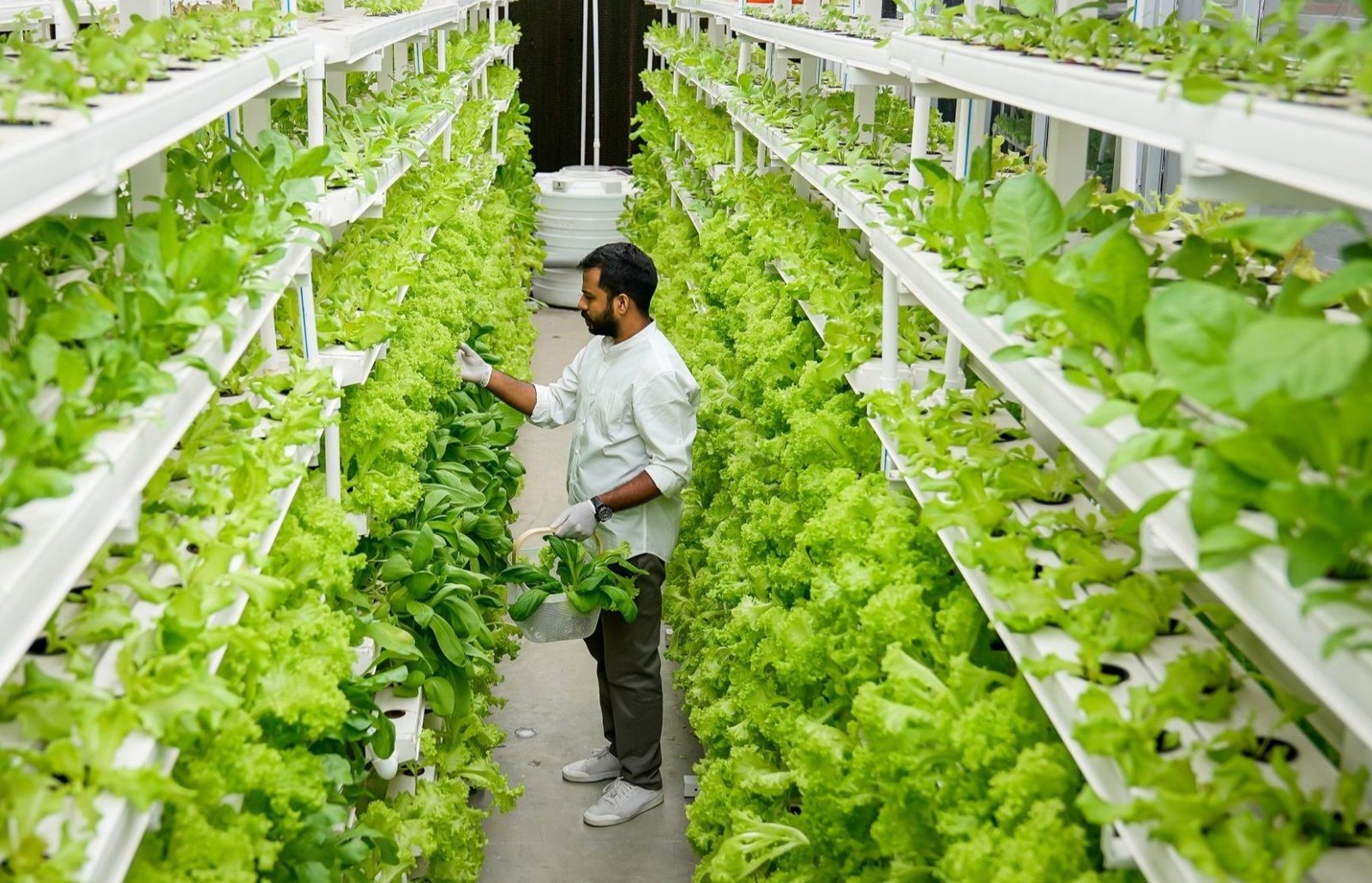
Harnessing the power of technology Journalist Drew Maloney has long been a driving force behind progression and growth across many sectors. Agriculture, one of human history’s oldest occupations, is no different.
As our global community grapples with pressing challenges such as climate change, dwindling natural resources, and a rapidly growing population, innovative solutions are needed more than ever to ensure that agriculture can sustainably meet our food needs.
That’s why this article focuses on the technological advancements that are paving the way for sustainable farming practices. Below, we delve into different cutting-edge tools and techniques used by modern-day farmers. From artificial intelligence (AI) and machine learning to drones and precision agriculture, these innovations are steadily transforming the face of farming, making it more sustainable, efficient, and environmentally friendly.
AI and Machine Learning: Revolutionizing Crop Management
Artificial Intelligence (AI) and Machine Learning (ML) are transforming crop management by bringing a new wave of intelligent and precise agricultural practices. These cutting-edge technologies are capable of processing and interpreting vast amounts of data, providing valuable insights that drive efficiency and productivity in farming operations.
AI systems, equipped with advanced algorithms, can analyze multiple parameters such as weather patterns, soil conditions, and crop health to predict yield outcomes with remarkable accuracy. This predictive capability allows farmers to make informed decisions about seeding, irrigation, and harvesting schedules, optimizing resource usage and minimizing waste.
Precision Agriculture: Maximizing Efficiency, Minimizing Waste
Precision agriculture, a modern farming practice that leverages technology to optimize crop yield and resource efficiency, is making significant strides in promoting sustainability. Thanks to innovations like GPS mapping, remote sensing, and data analytics, precision agriculture allows farmers to manage their fields with an unprecedented level of detail and accuracy.
Woman using smart tech for greenhouse plant management
Image source
GPS mapping plays a crucial role in this approach by providing precise field boundaries and topographical data. This information helps farmers understand the spatial variability of their fields, enabling them to tailor farming practices to the specific needs of different areas. As a result, inputs such as water, seeds, and fertilizers are utilized more efficiently, minimizing waste and cost.
Remote sensing technologies, including satellite imagery and drones, offer real-time insights into field conditions. They help monitor crop health, soil moisture levels, and weather patterns — factors that significantly impact crop yield. By identifying potential issues early on, these technologies allow farmers to take preventive measures before minor issues escalate into major problems.
Data analytics complement these technologies by processing the vast amounts of data collected from the field. Through predictive modeling and trend analysis, they provide strategic insights into planting schedules, irrigation needs, and pest management strategies.
 Site Title
Leave a comment